Lead Designer
1 Product Owner, 2 Business Analysts, 1 Tech Lead, 3 Developers, 4+ SME's
The order placement process at the company was originally managed offline, with employees manually entering client data from phone and email communications into a legacy system.
My Role
Over the course of several projects, I lead the design effort to reimagine and digitize the process in phases to streamline operations, enhance the client experience, and build a scalable, technology-driven platform. The transformation not only optimized efficiency but also enabled better integration and scalability.
Phase 1
Redesigning the Client Servicing Platform
The 20 year old legacy platform was cumbersome and inefficient for the Client Services team. Employees had to manually input data from client interactions, which led to delays and potential errors. The design was old, unintuitive, repetitive and did not align with the tech forward brand image of the company.
Requirements gathering + existing process mapping
User Shadowing
User Interviews
How might we enable the Client Services Team to efficiently place orders on behalf of the clients to achieve increased order volumes?
Primarily offline process requiring user input and action throughout the order processing timeline.
Process prone to human errors and excessively dependent on user memory.
Data entry is time consuming resulting in lower order volumes.
50% reduction in time taken to input and submit an order.
70% less manual validations and errors
Ensure precise data capture to minimize order failures. Achieve 70% order success rate within the first quarter.
User Personas + Scenarios
Feature Log + Prioritization
Future State Mapping
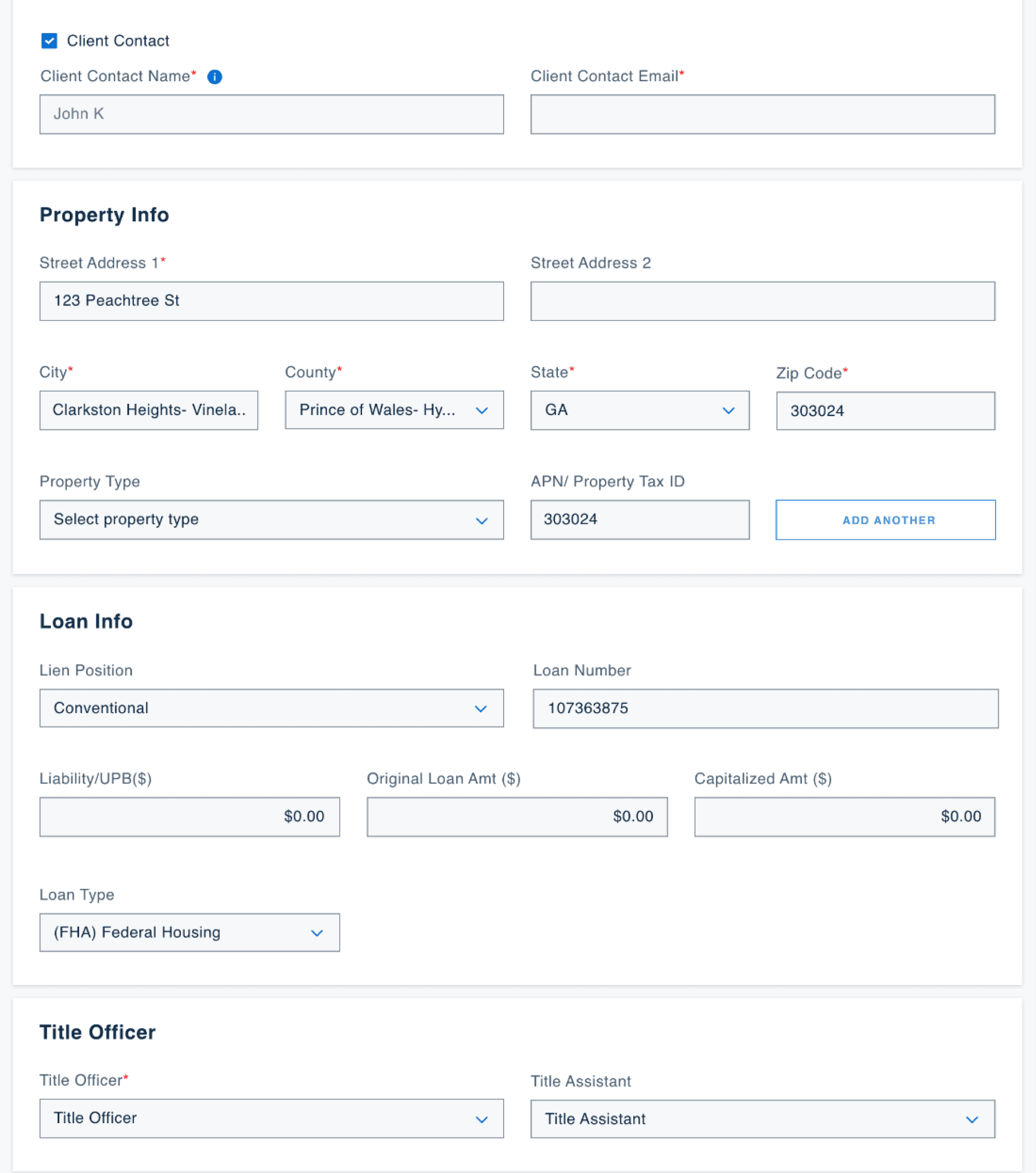
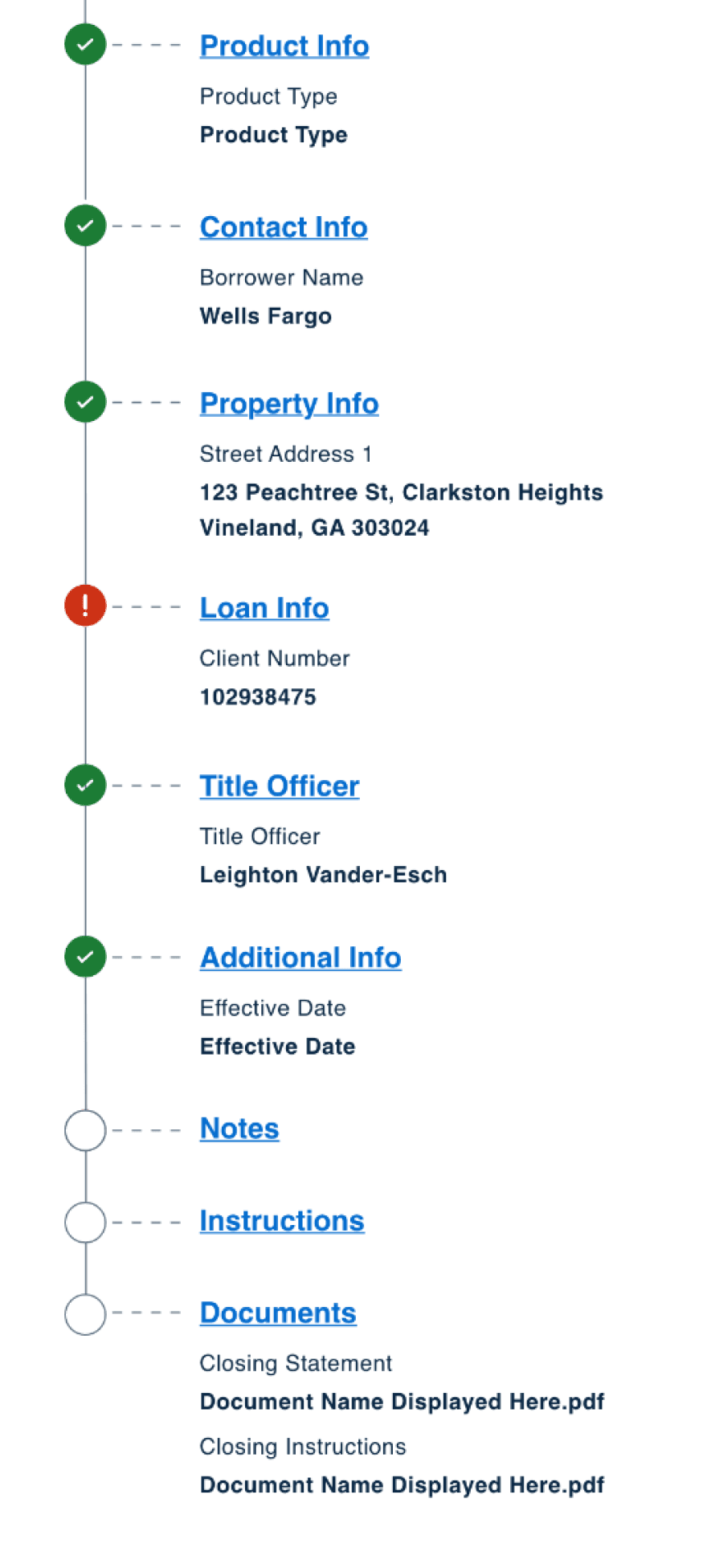
Single-Scroll form with tab navigation
Users prefer to minimize clicks and interruptions; a continuous, linear flow aligns with their behavior, allowing faster data entry.
Real-time cross-field validation + Instant, non-disruptive validation feedback
Users need instant feedback to correct entries without having to review the entire form at the end. This approach minimizes disruptions and ensures the flow remains smooth.
70%
order entry time
80%
manual validations and errors
75%
order success rate
Phase 2
Digital Storefront for Small and Mid-sized Clients
In Phase 1, we digitized the order placement process for the internal Client Services Team. However, it was designed to cater to an 'expert user'. The feature when tested with client users showed that:
The forms, however optimized, are overwhelming for a novice user. Elements that provided ease of use and quick turn time for internal users, were cumbersome for the client user.
Clients abandon the process before completion or reach out to client support placing a strain on resources and resulting in reduced order volume.
Client Surveys
SME Workshops
Client Journey Mapping
How might we empower small to medium sized clients to effortlessly self onboard and order products through our platform to achieve increased order volume and revenue?
Translating an existing B2B process to B2C process.
Factor in new client self-onboarding and associated security concerns.
Migration of existing client to the new platform.
In Phase 1, we focused on enabling our internal user to get an order in quickly and accurately. We needed to do the same for our client user but with an added emphasis on ease of use and information clarity. The self-onboarding was critical from a business strategy point of view as it could ultimately determine user retention and consequently order volume.
40% increase in number of clients new onboarded within a quarter.
30% increase in order volume within a quarter.
User Personas + Scenarios
Feature Log + Prioritization
Future State Mapping
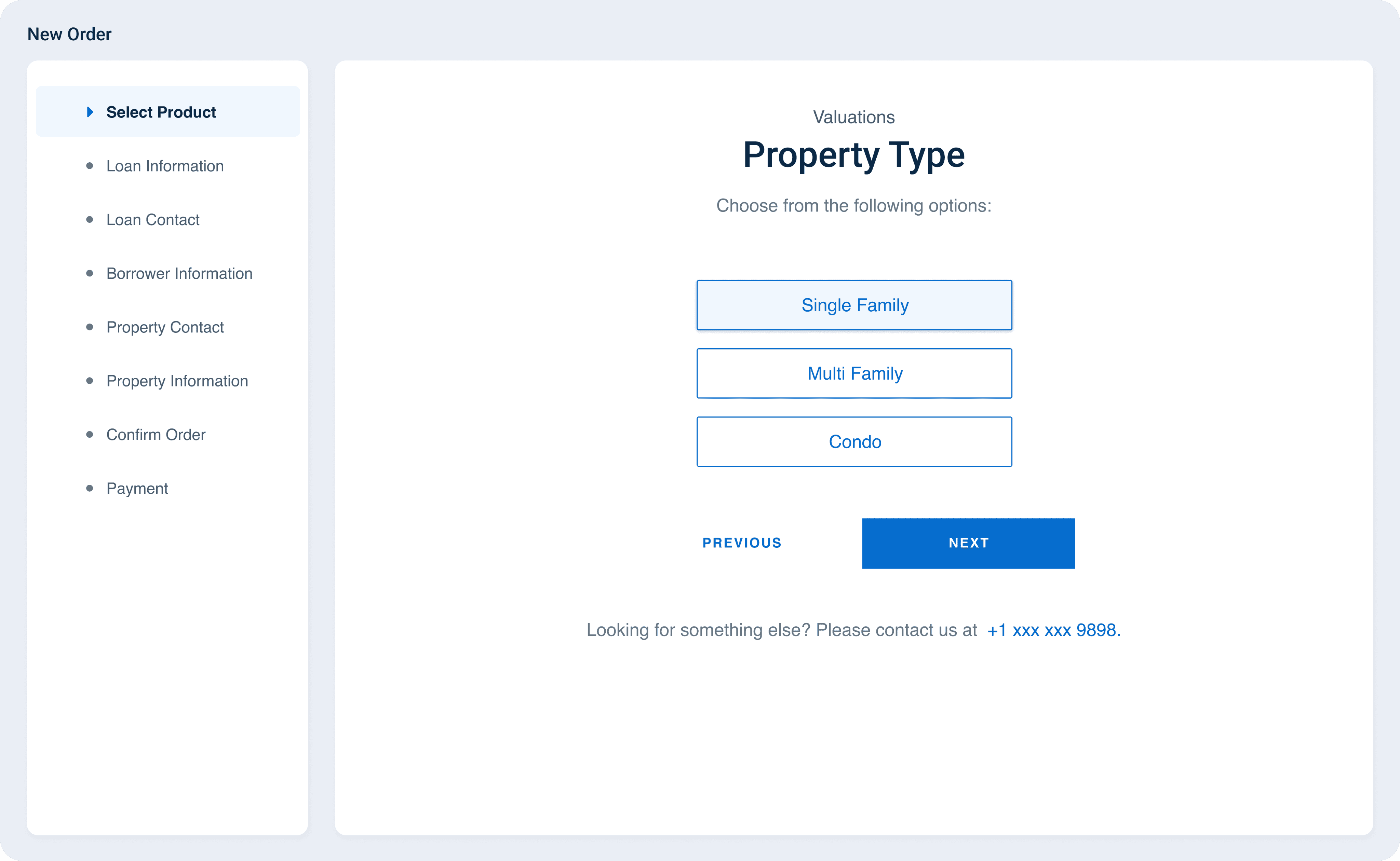
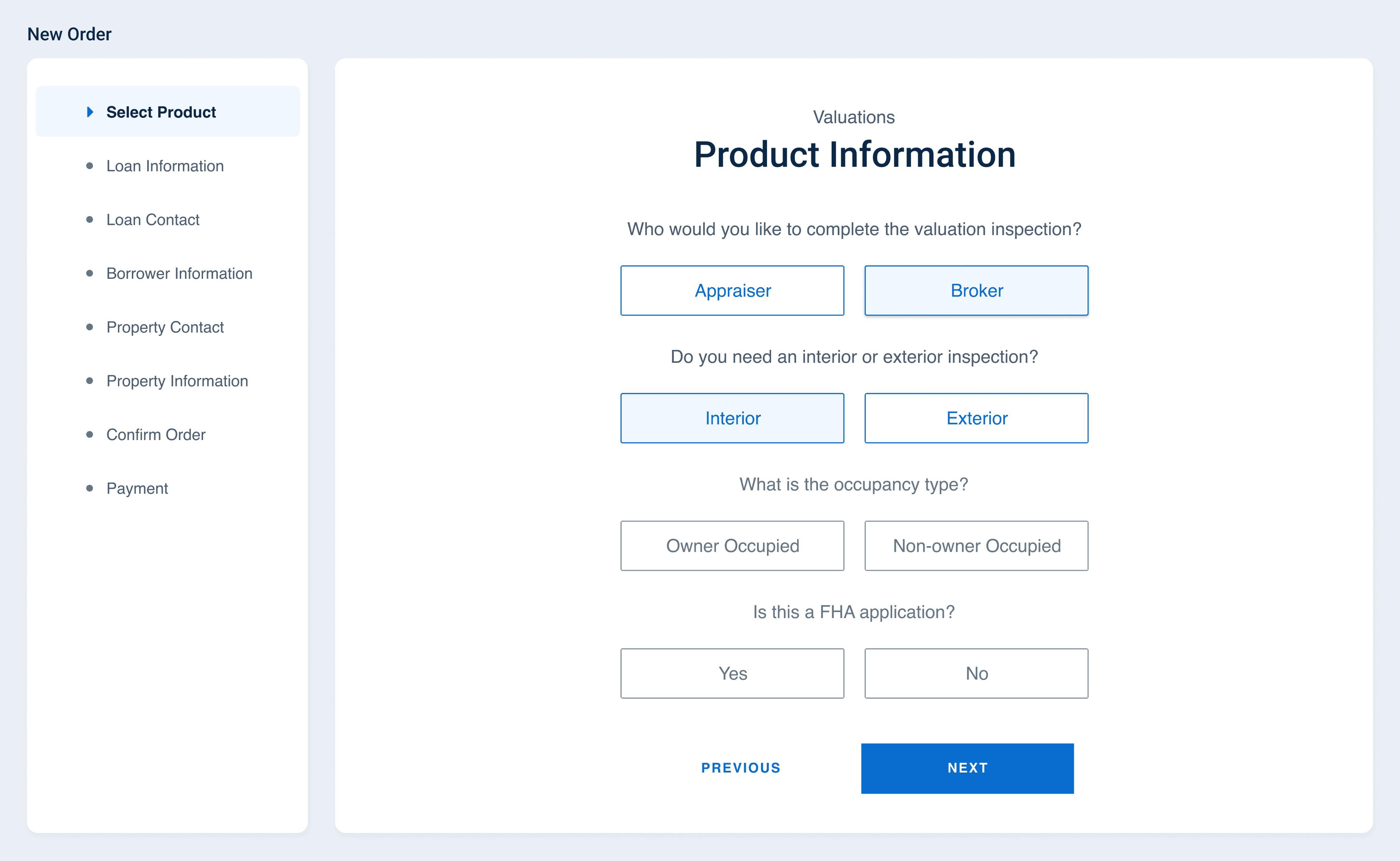
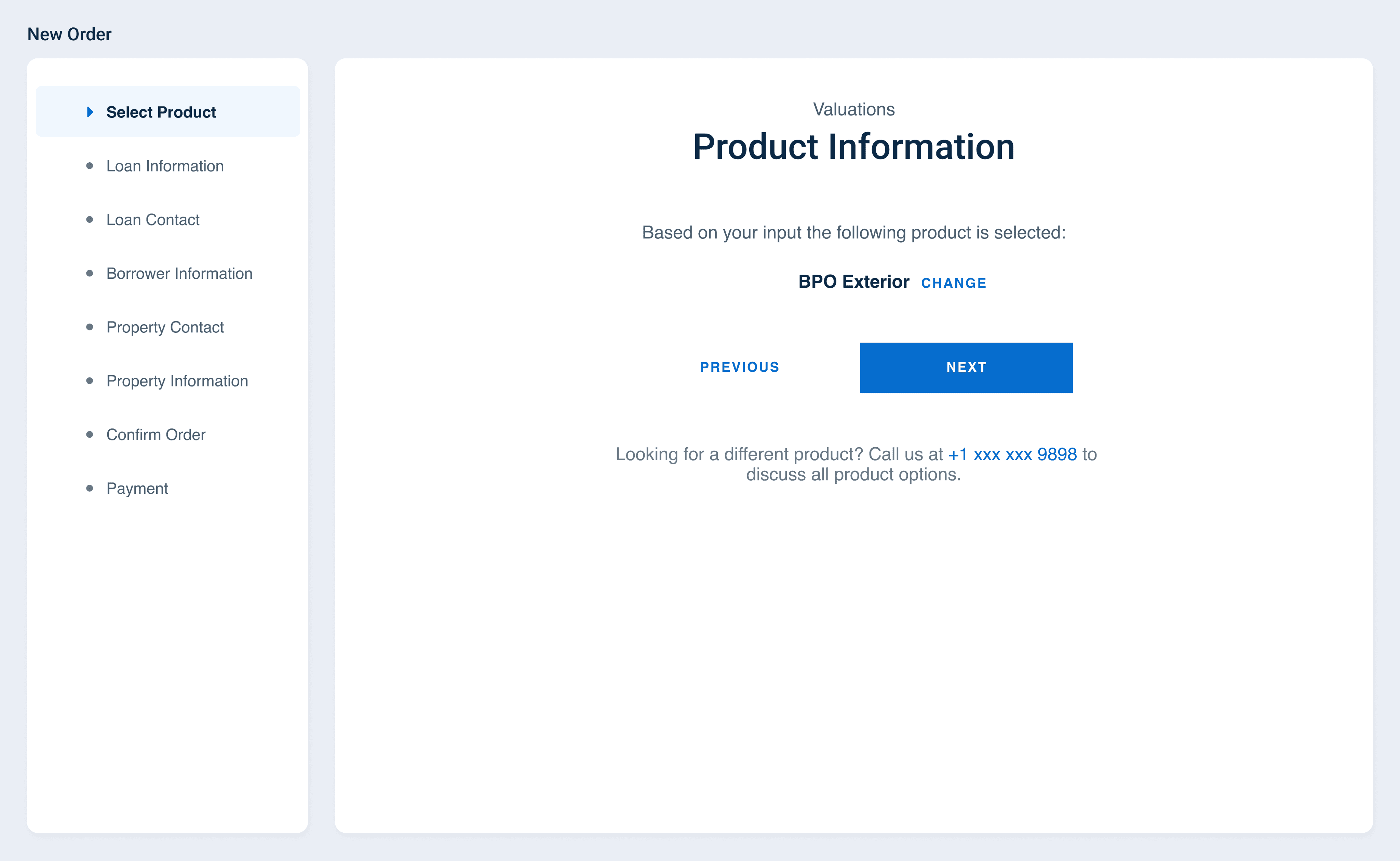
Step-by-step process for clarity
A step-by-step approach reduces cognitive overload, helping users focus on one task at a time. This ensures accuracy in order completion without overwhelming the user.
Automated backend processes + Proactive error prevention
Automated processes reduces the need for manual decision-making. Identifying potential blockers and providing preemptive solution minimizes user errors, ensuring a smoother, frictionless process.
Simplified UX content
Clients unfamiliar with industry jargon need simple, straightforward language to navigate the platform easily. A clear UX content strategy enhances accessibility and reduces user frustration.
50%
clients onboarded
55%
order volume
Phase 3
Optimization and Integration for Scalability
The success of our Phase 2 optimizations led to company's platform becoming highly sought after for integration with one of the largest mortgage industry platforms. This opened the door to significantly expanding ServiceLink’s user base.
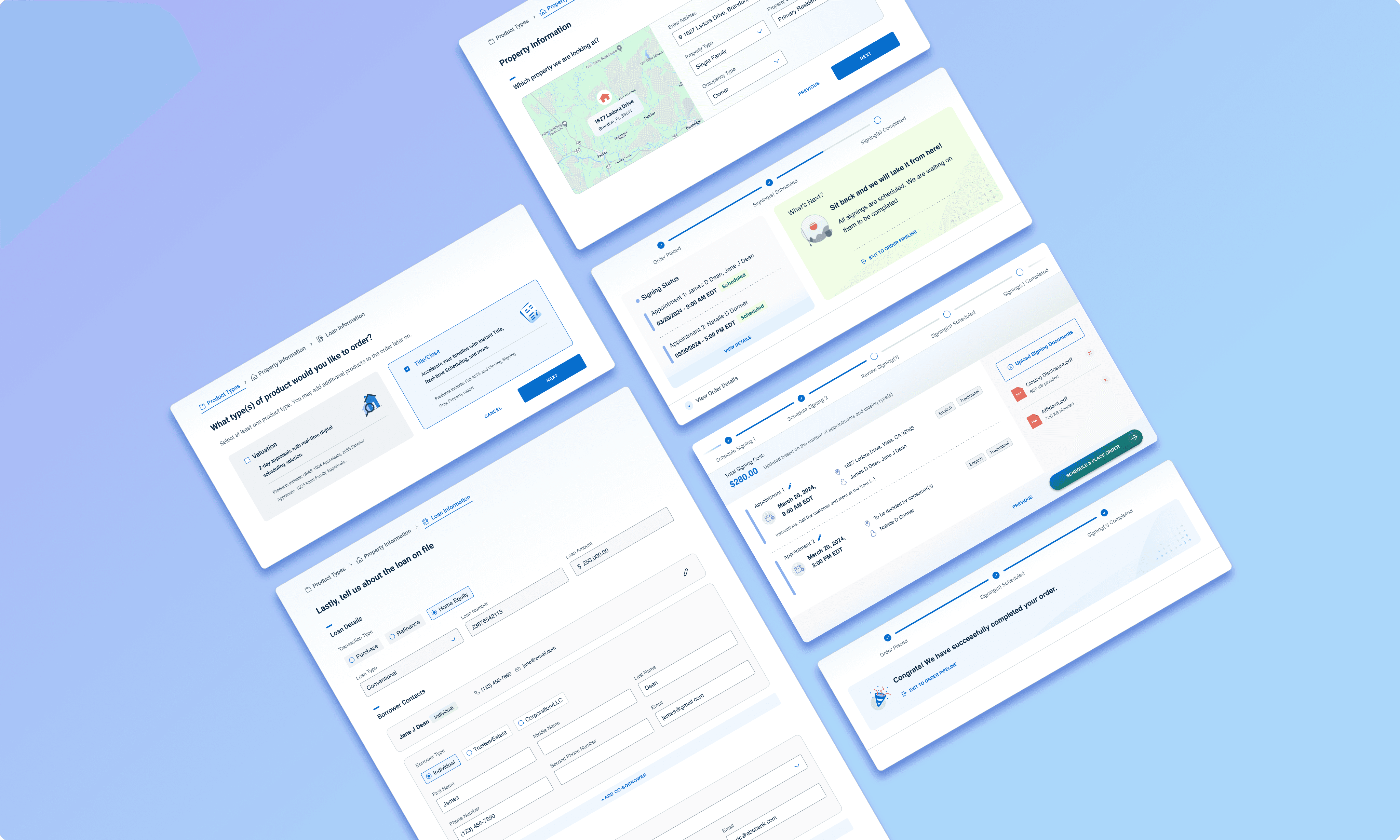
In Phase 3, we focused on refining the order placement process further. With a clear scope, increased budget, and a flexible timeline, we had the freedom to think outside the box, experiment with visual design and micro-interactions, and propose technically complex process improvements to elevate the platform experience.
Client Surveys
Client Analytics
Feature backlog from phases 1 and 2
How might we deliver a unique, secure and joyful order processing experience within the integration platform to attract more users to the company brand?
Introduction of marketing and cross-selling content to draw more traffic from the external platform.
Implementing a seamless integration between two platforms that simplifies the ordering process.
Added emphasis on visual design along with functionality.
Building trust in the company's brand and offerings.
90% order success rate within a quarter.
30% cross-sell conversion rate within a quarter.
Exceptional customer support to address any concerns or issues promptly.
Ideation
Feature Log + Prioritization
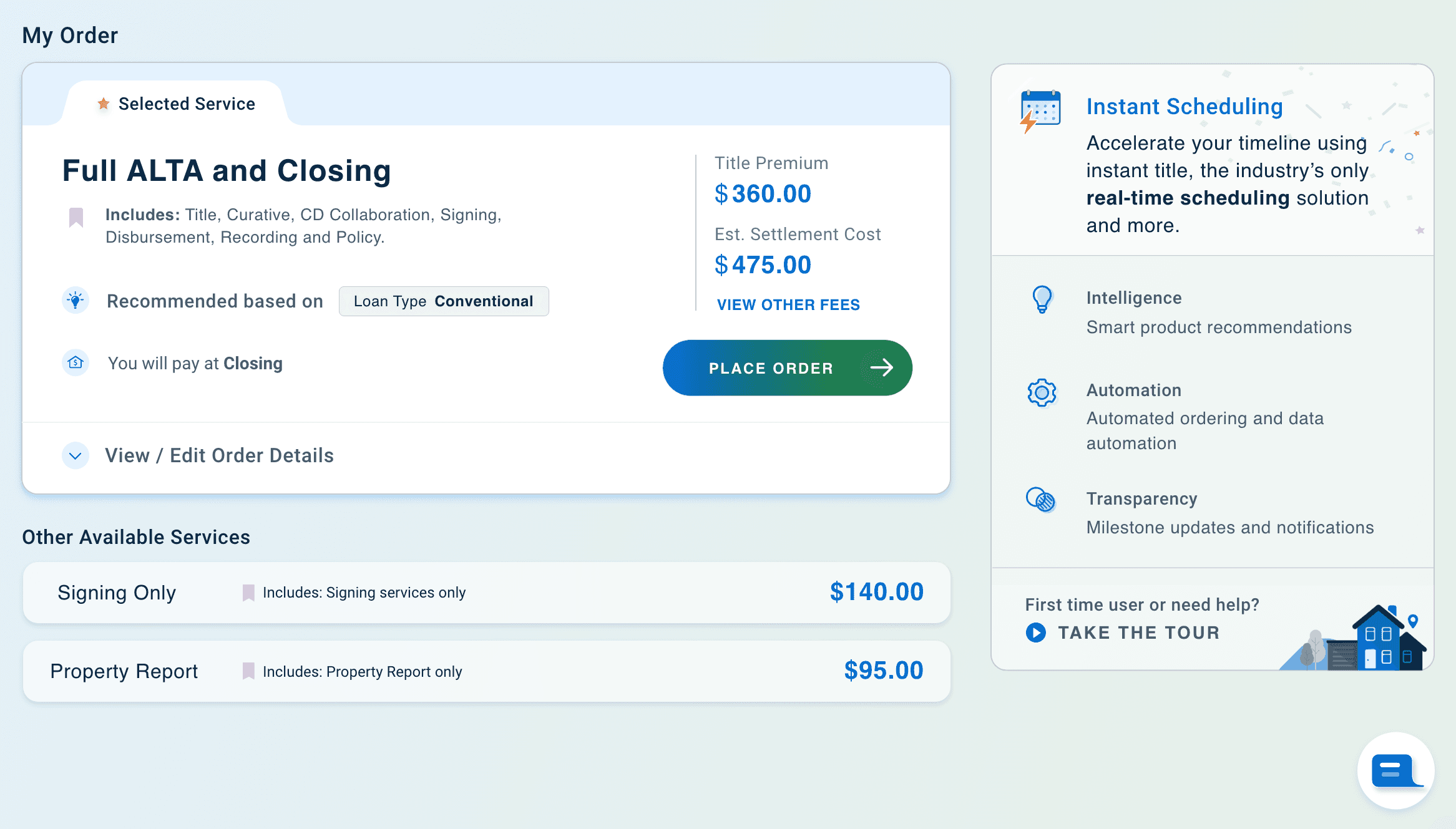
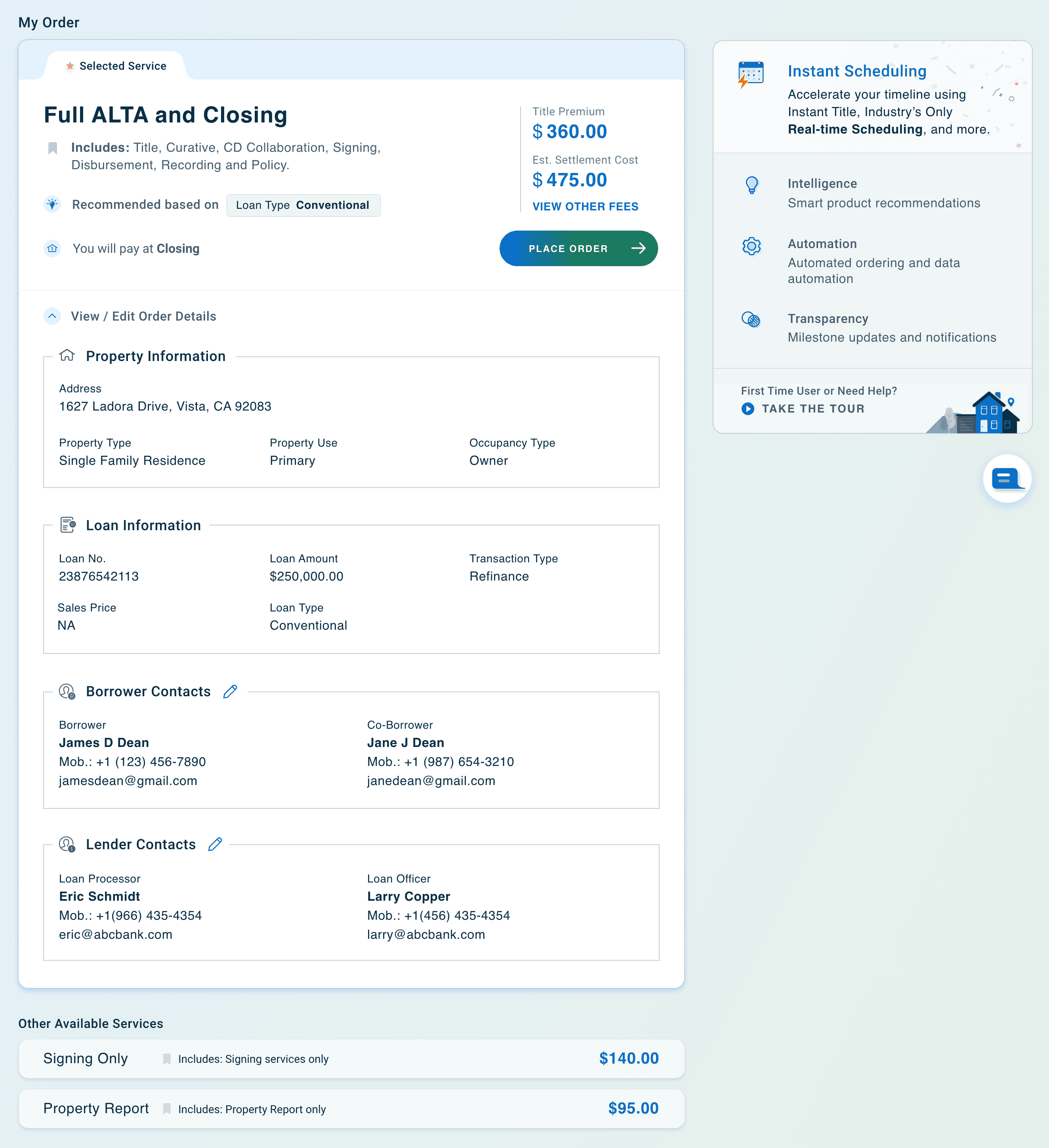
Robust data driven product recommendation engine
Providing tailored product recommendations based on prior order data simplifies decision-making, increasing retention rates and conversion.
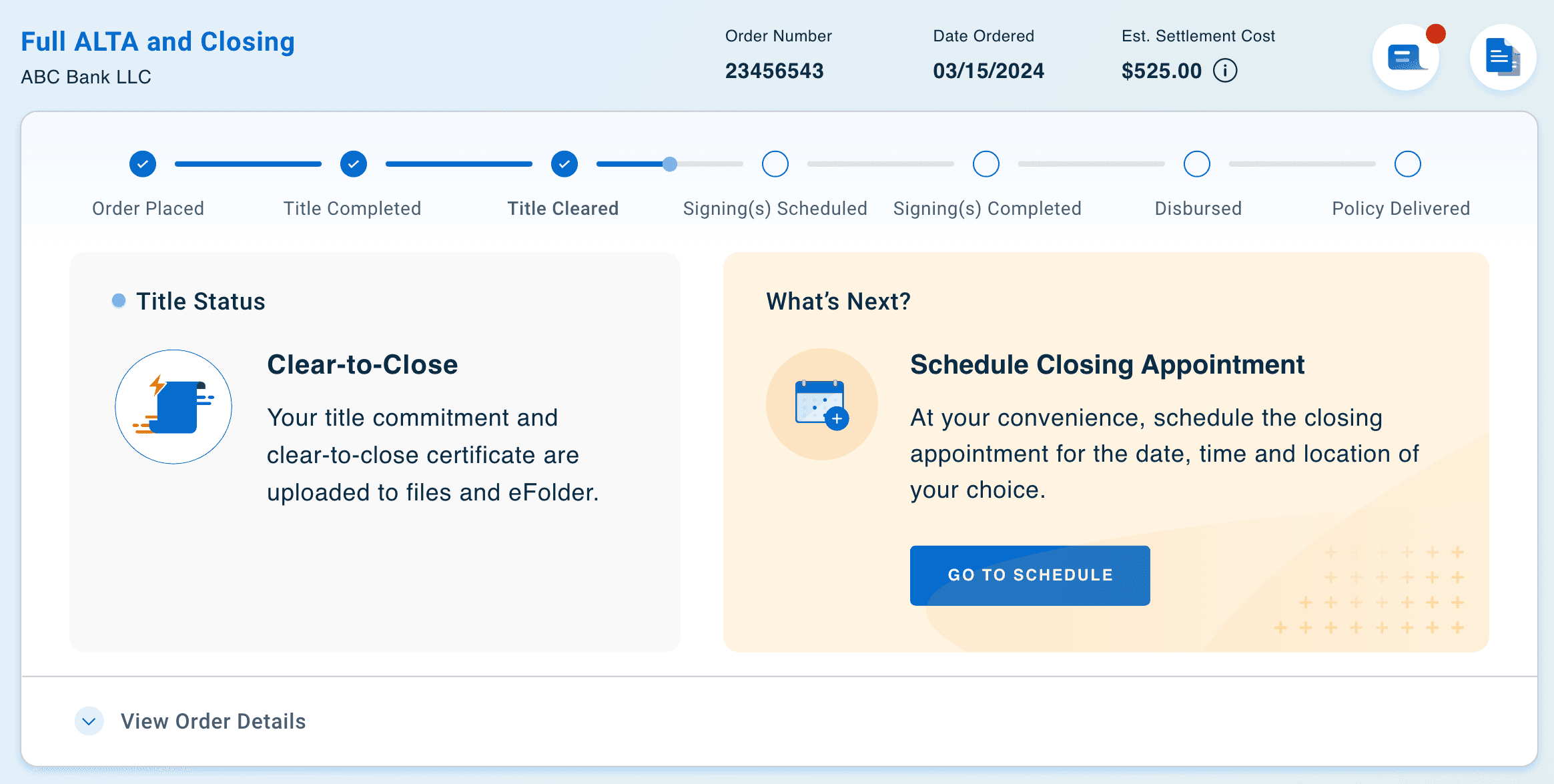
Upfront cost display to facilitate decision-making
Early cost transparency fosters trust and reduces abandonment rates by helping clients make informed decisions without surprises.
Proactive communication with smart updates and chatbot feature
Effective communication reduces client frustration, enhances the client support experience, and ensures that orders are managed seamlessly.
92%
orders successfully placed
29%
cross-sell conversion rate
Reflection #1
Understanding entropy in existing systems: It’s not enough to redesign a process as it is. You must first understand the core process and remove layers of accumulated complexity that naturally occur over time.
Reflection #2
Design follows process: Operational efficiencies can drive better visual design. The principle that "form follows function" was critical here, as optimizing the process allowed the design to naturally become more effective and intuitive.